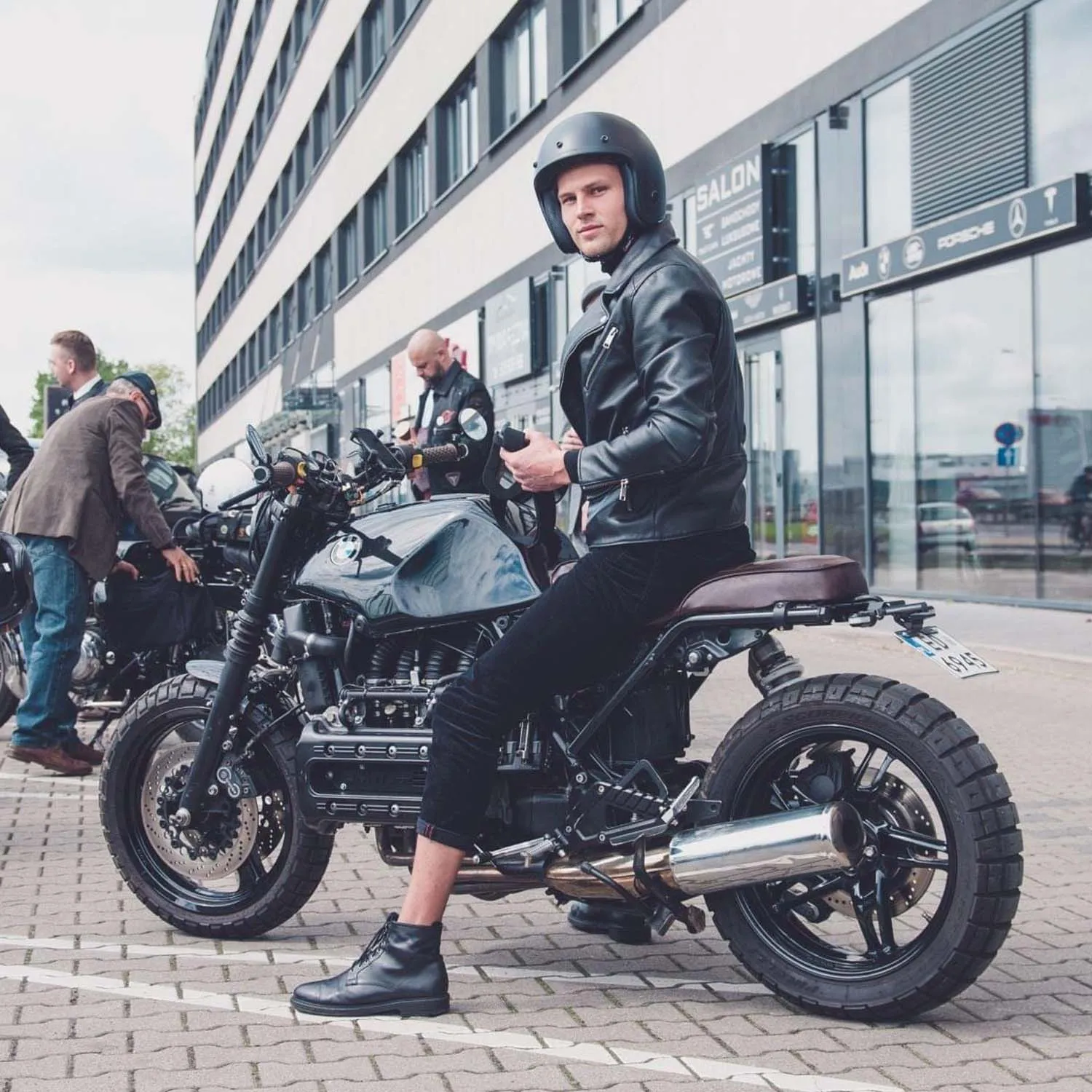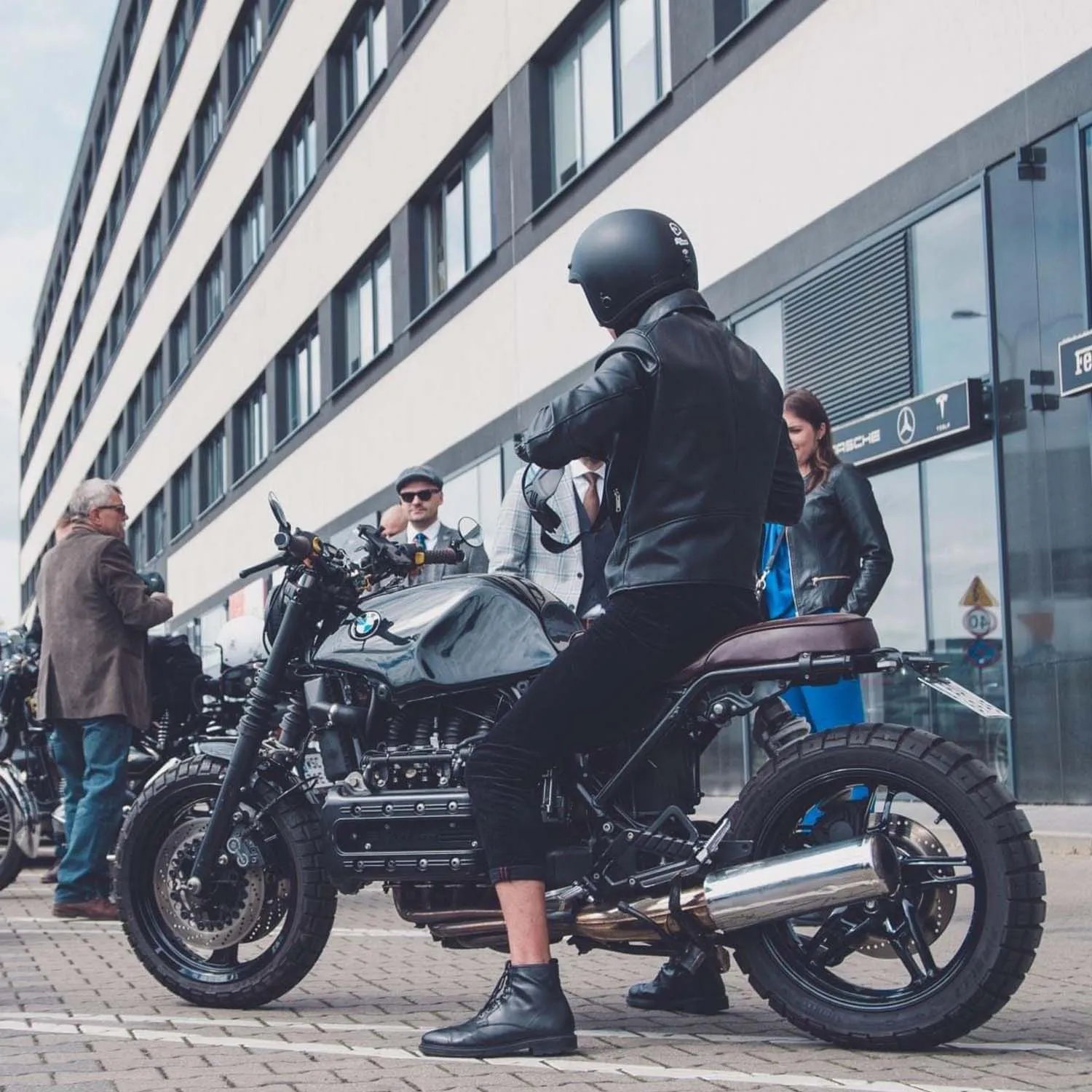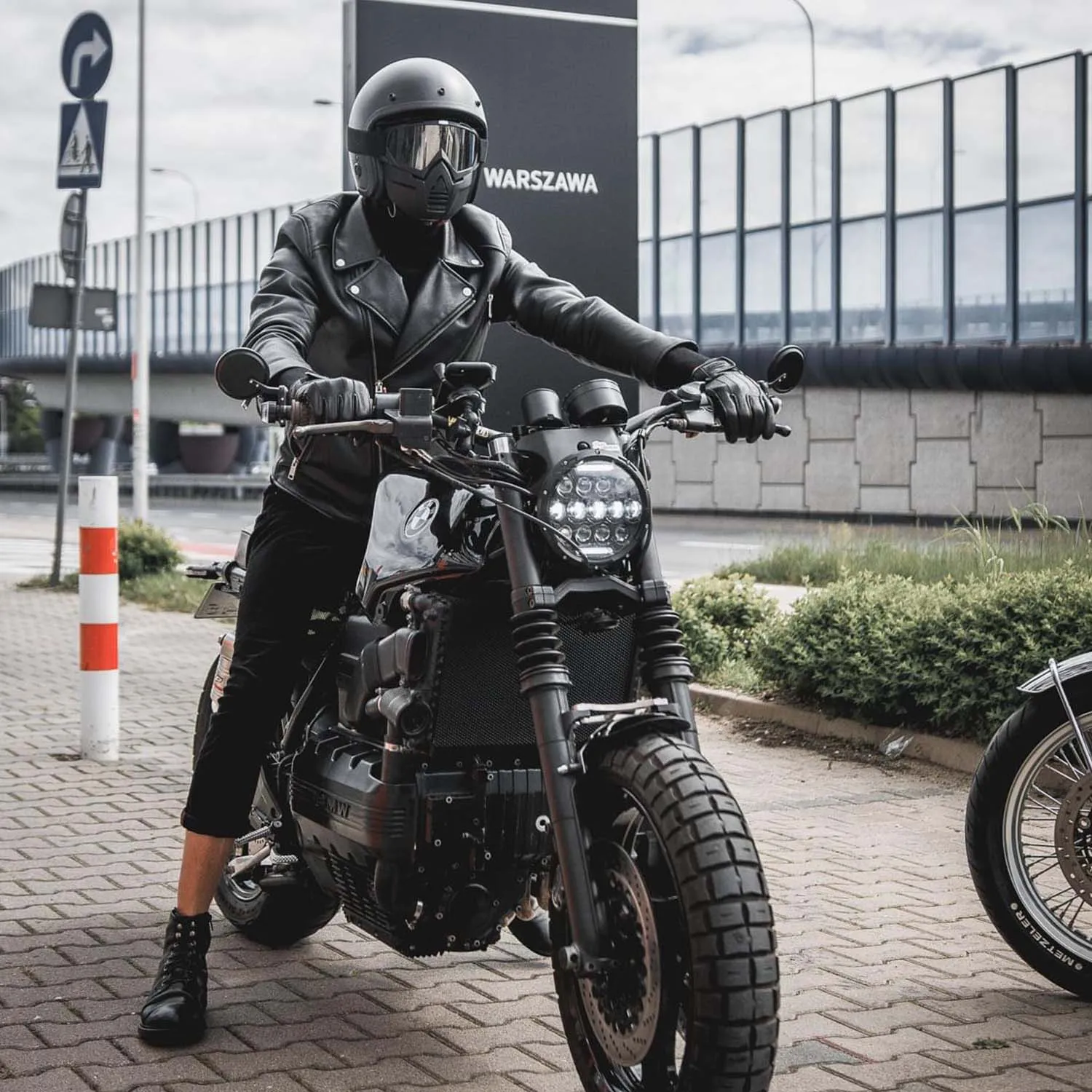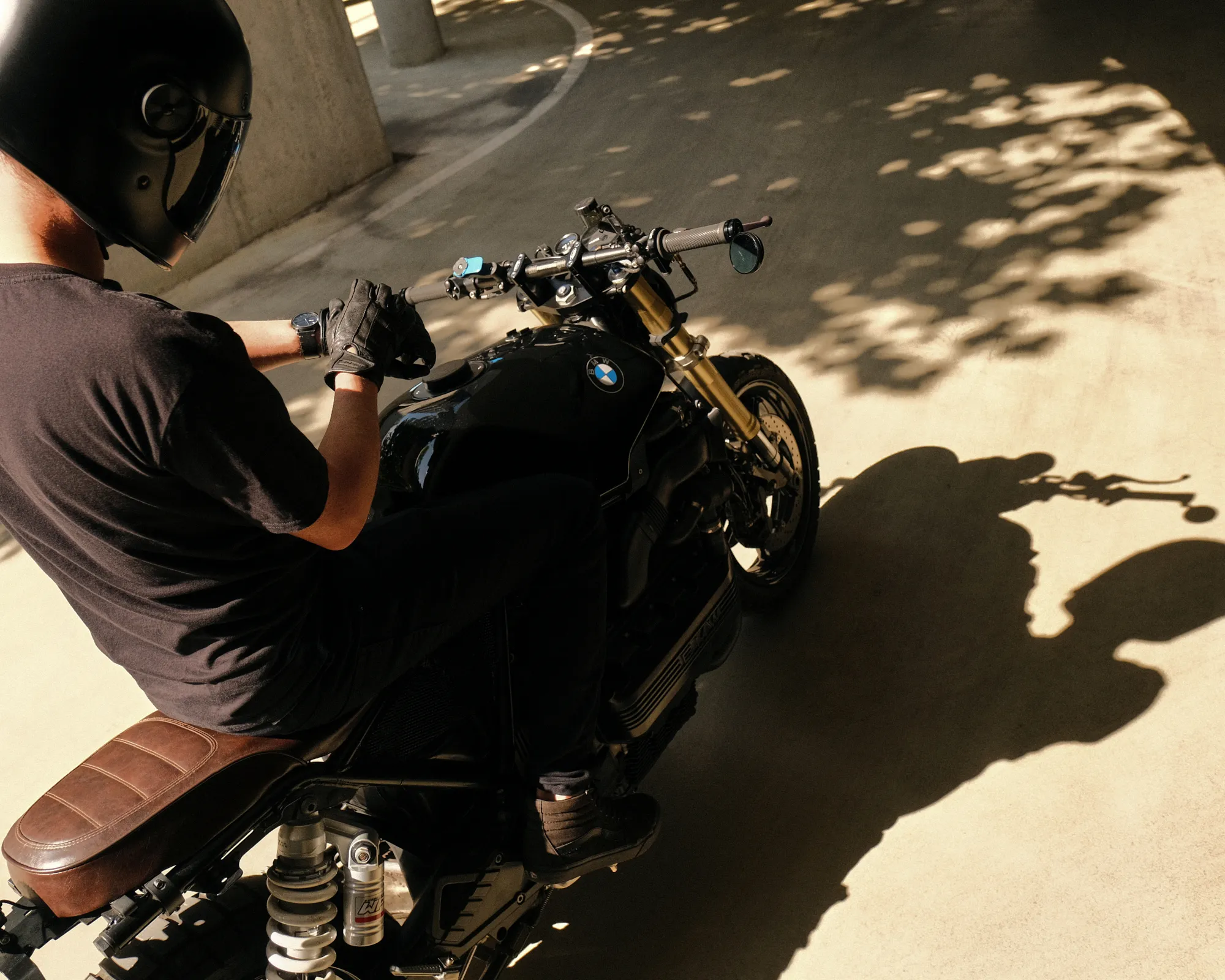
My first build: a blue 1993 K1100 RS bought running for 4,200 zloty just before the world shut down, dragged through four workshops in two cities, and finished five minutes from home. This is the long version, with the real numbers.
My first build: a blue 1993 K1100 RS bought running for 4,200 zloty just before the world shut down, dragged through four workshops in two cities, and finished five minutes from home. This is the long version, with the real numbers.
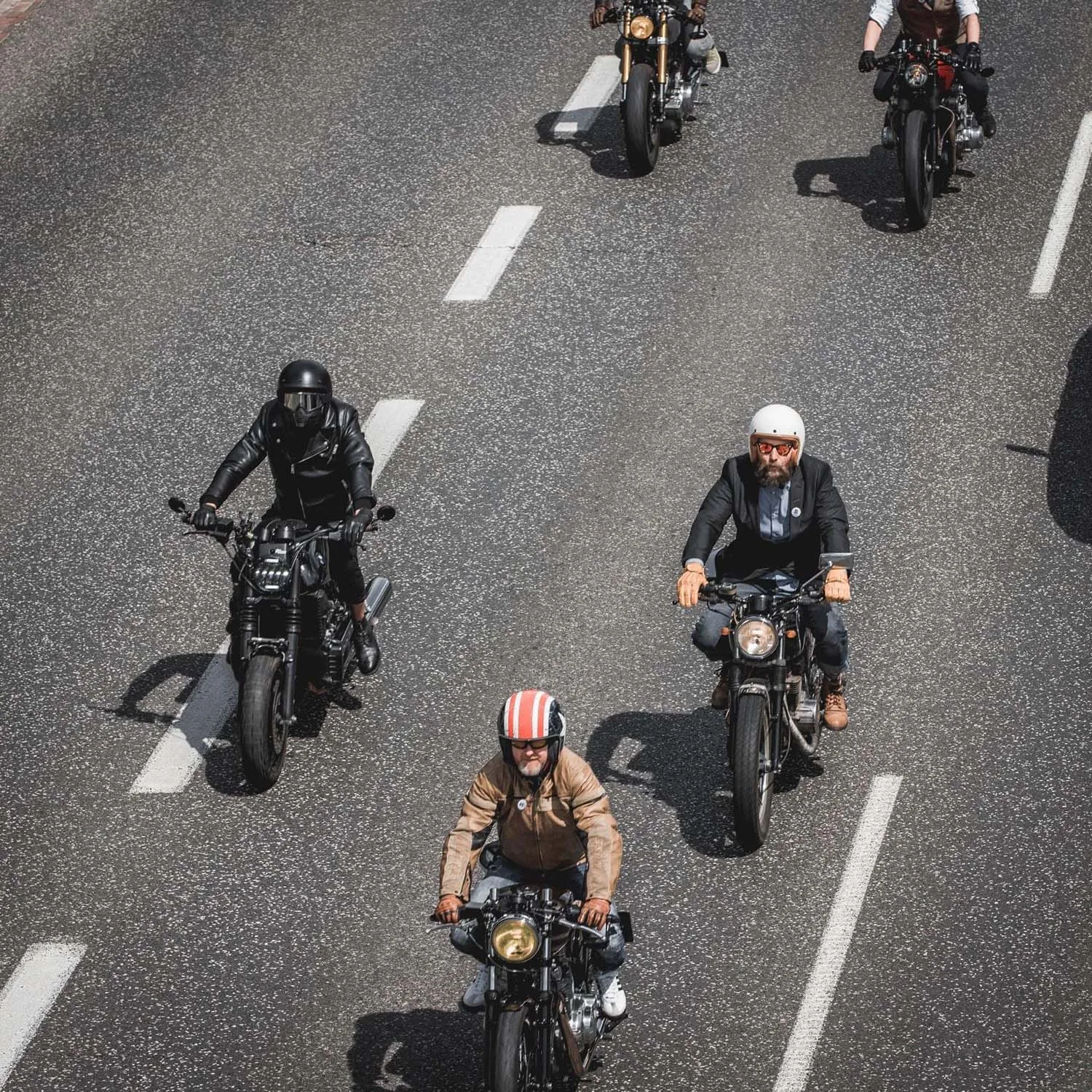
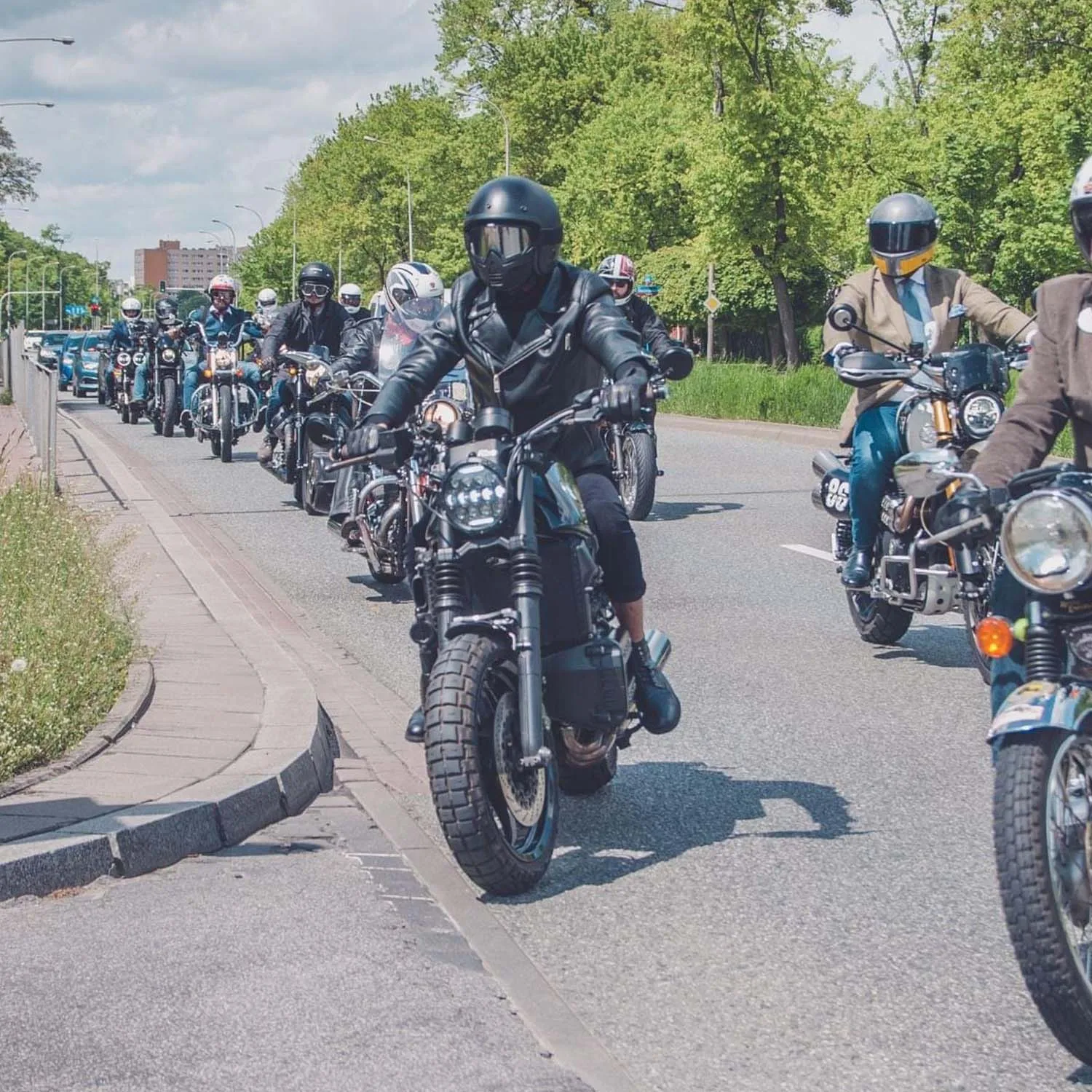
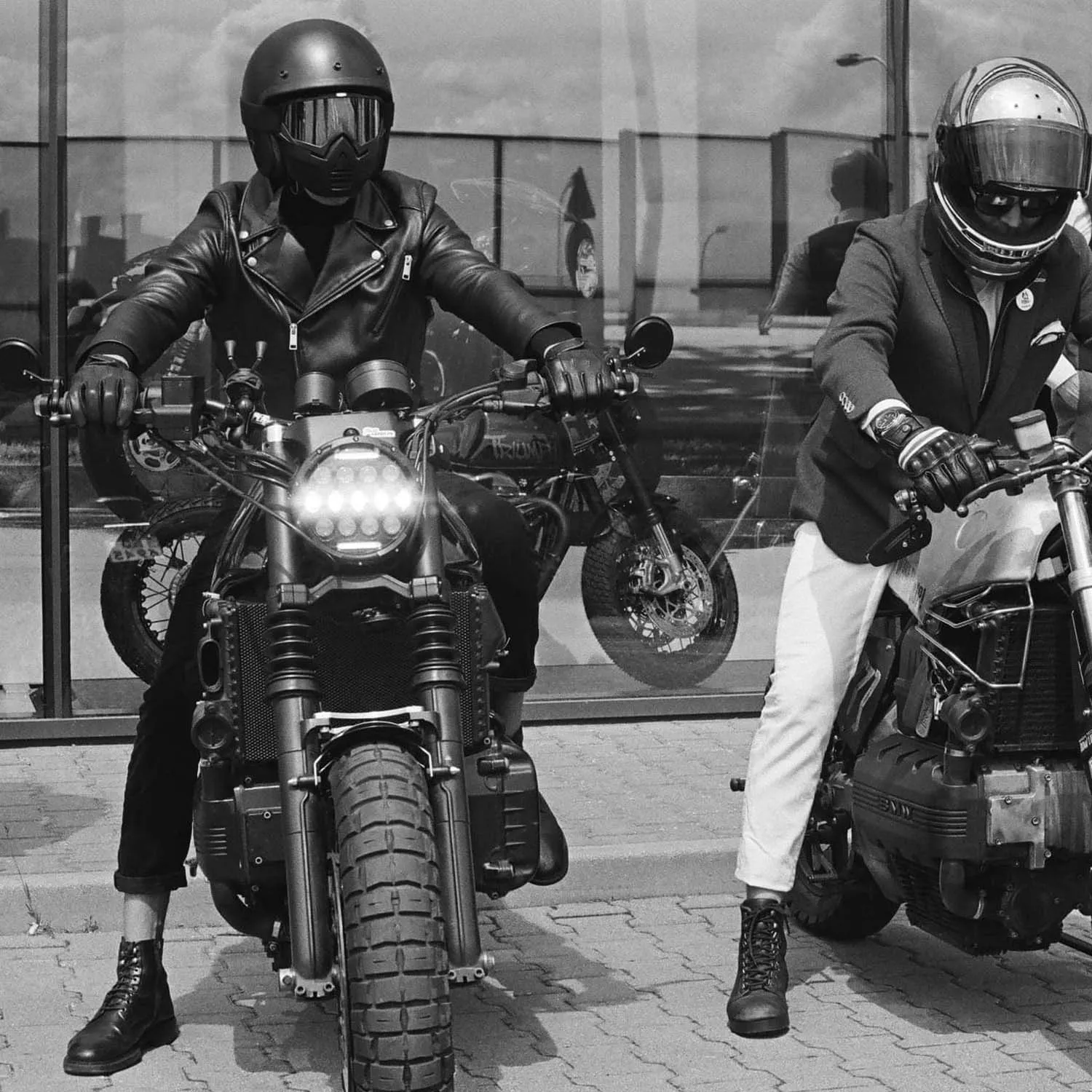
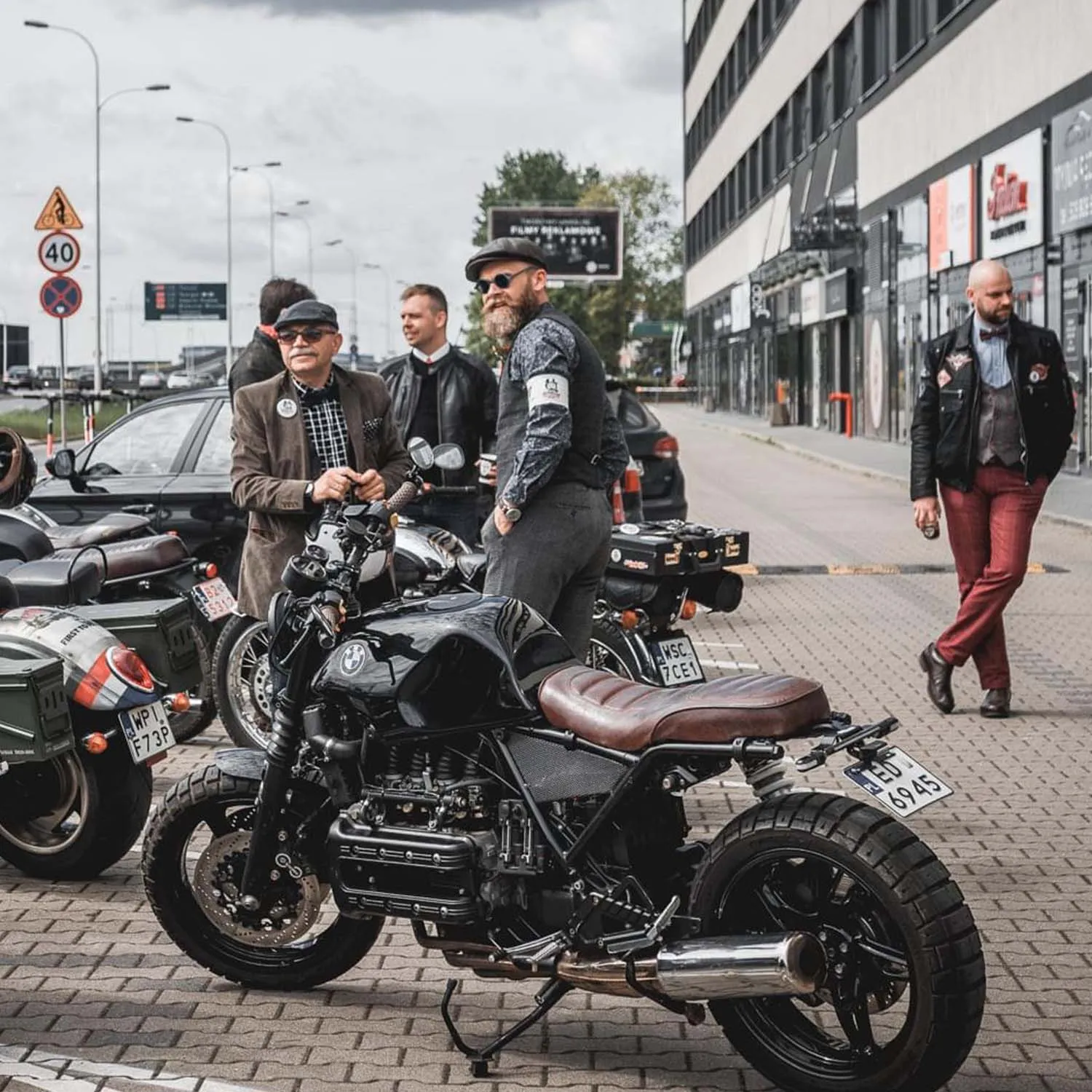
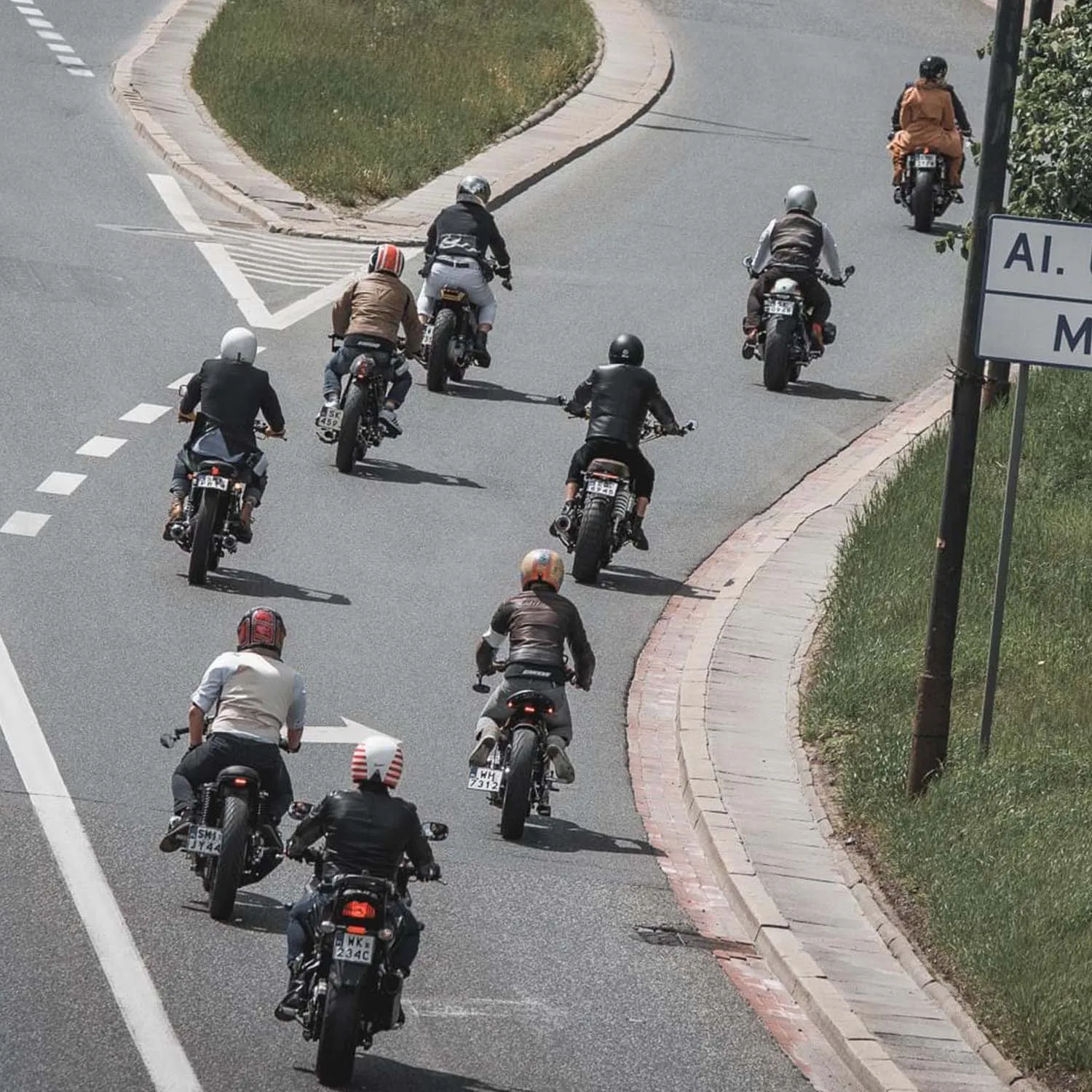
Tweed in thirty degrees, a K100 that boiled at every light, and the best turnout this city has managed. The Warsaw run, written up properly.
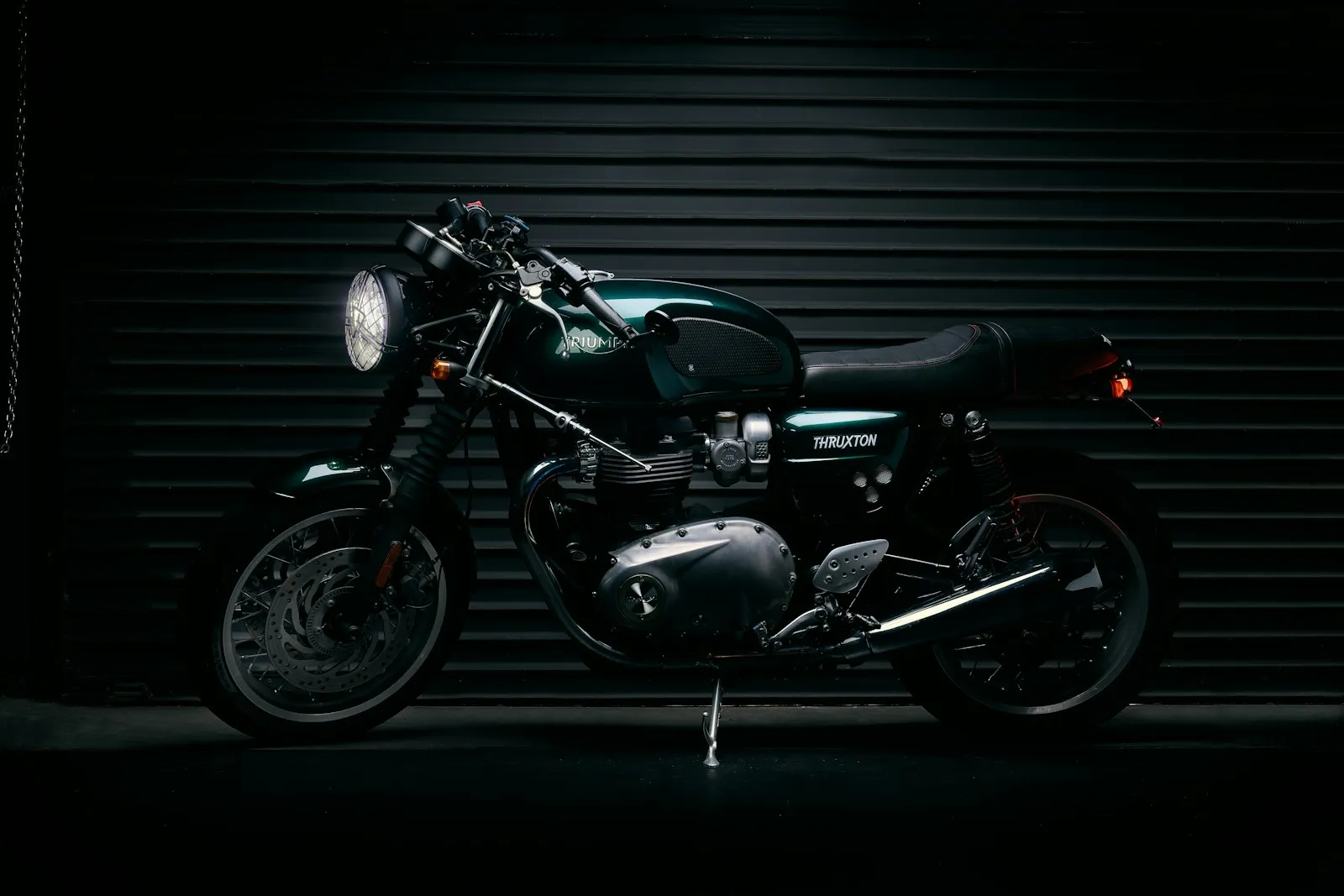
Twelve kilos gone, none of them from the engine. Where the weight actually hides on a modern Triumph.
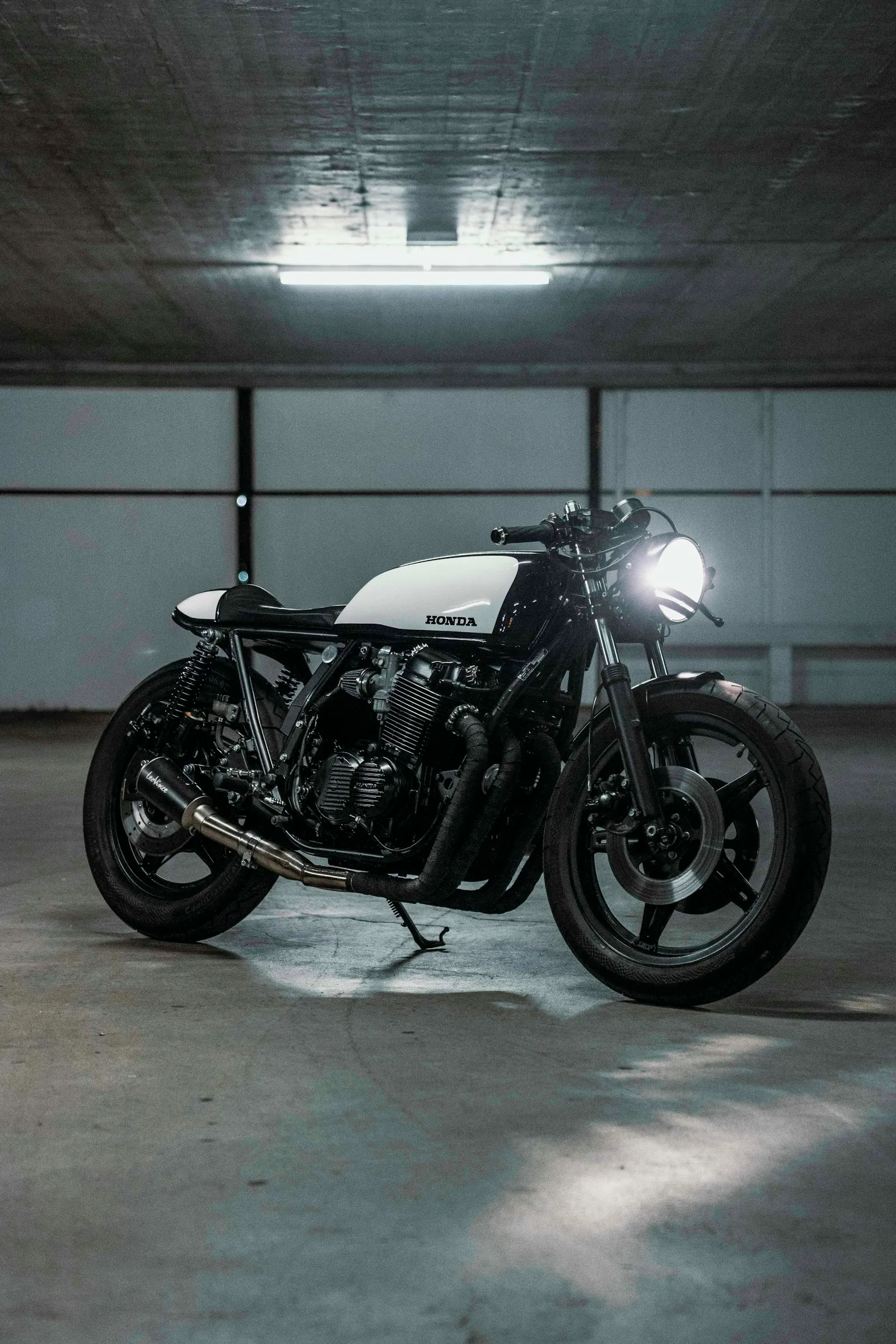
It isn't a flat seat and knobbly tyres. A short history of what Go Takamine actually started.
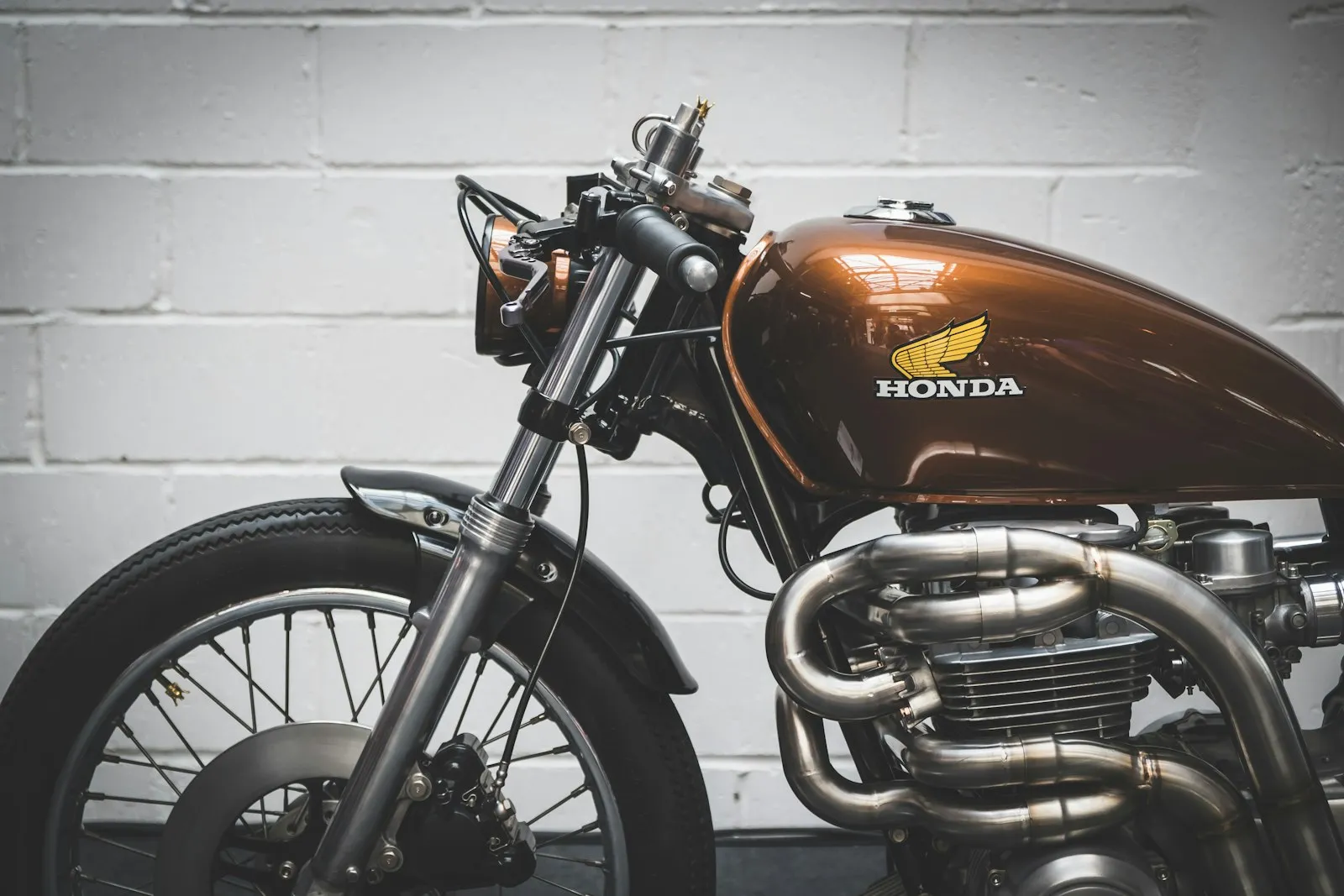
Four grits, one compound, and the mistake that puts swirl marks in a tank forever.
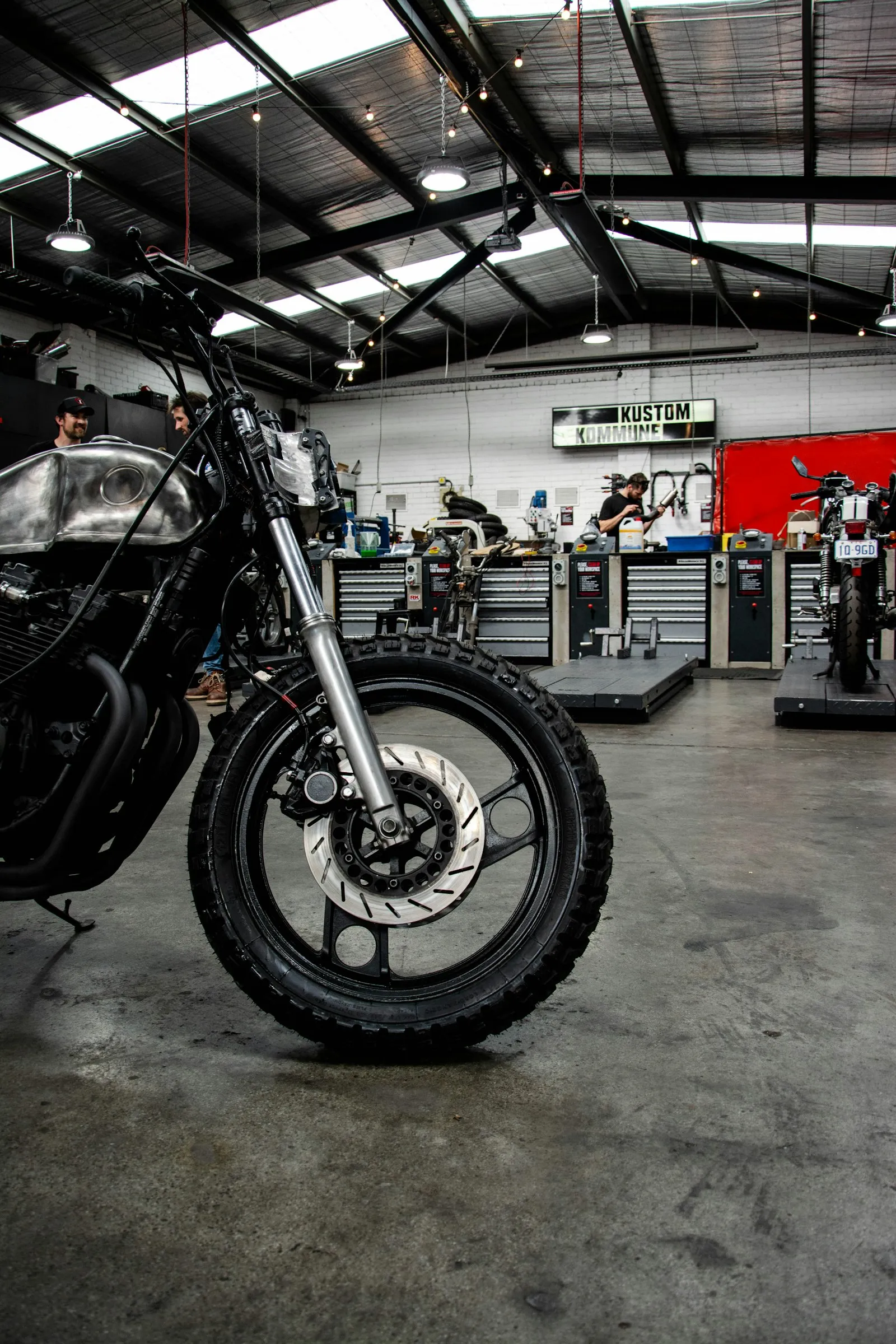
Bad roads, cheap donors and a geometry that forgives. The revival makes more sense than it looks.
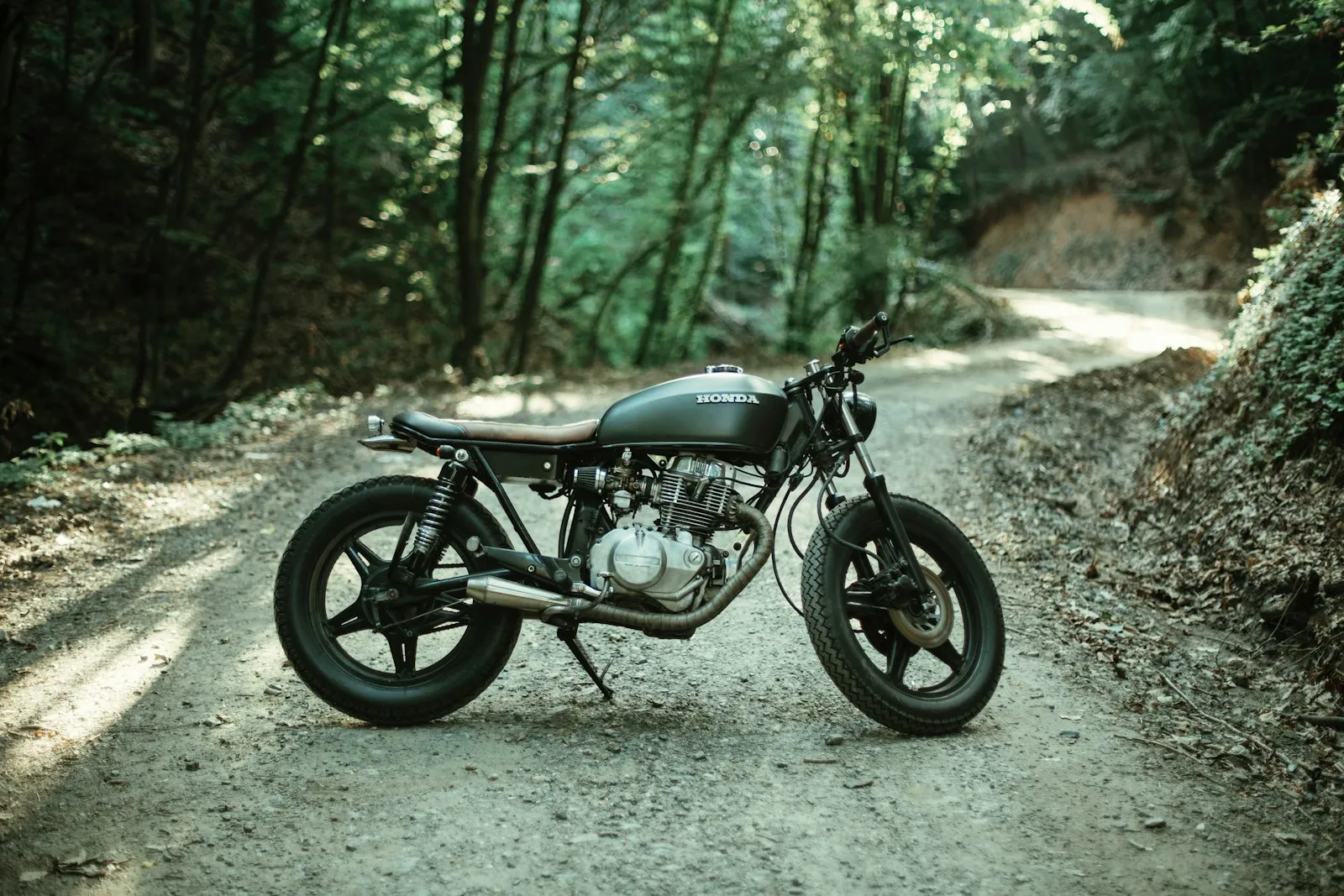
 Honda31
 Yamaha22
 Triumph17
 BMW14
BMW14
 Kawasaki12
 Suzuki10
 Ducati08
 Moto Guzzi06
 Royal Enfield05
 Harley-Davidson04
All manufacturer names and logos shown are the trademarks of their respective owners. They are used here only to identify the donor motorcycle a build started from. Iron & Gasoline is not affiliated with, endorsed by, or sponsored by any of them.
Every guide here comes out of a real build, in a real garage, with real mistakes attached. If a part was rubbish we say so. If we got it wrong we go back and update the post.
Read the whole storyA road bike stripped for speed and shaped around one riding position: head down, elbows in, weight on your wrists. Clip-on or clubman bars, rearset pegs, a humped solo seat, and nothing on the bike that does not need to be there. The style came out of London in the late fifties, when riders raced between landmarks on bikes they had lightened themselves.
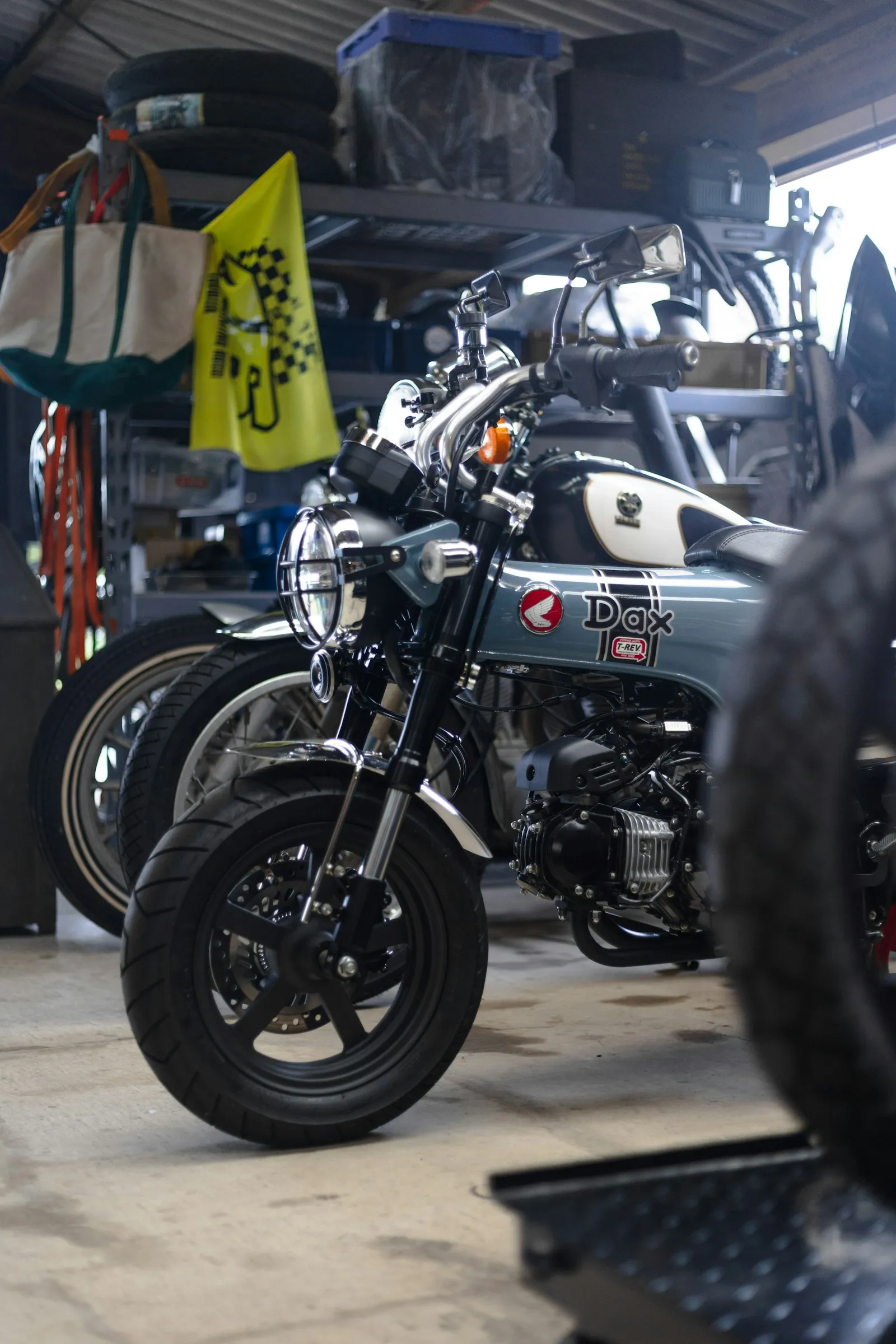
The seat and the riding position. A brat has a flat, straight, often two-up seat and upright bars, so you sit neutrally. A cafe racer has a humped solo seat with clip-on or clubman bars that put your weight forward onto your wrists. Brat style is named after Brat Style, the Tokyo workshop of Go Takamine.
The Yamaha XS650 is still the friendliest, because parts support is extraordinary and the frame takes a rear loop without structural drama. But prices have roughly doubled in five years. A BMW K100 at around 2,500 zloty or a Suzuki GS500 at 2,200 is now better value, and the money saved buys tools you keep forever.
Our BMW K100 came to about 9,100 zloty over eleven months including the donor. A BMW R80 came to roughly 4,680 euro over eighteen months. Paint and powder coating is consistently the biggest single line, often more than the donor bike, and around 340 euro of consumables never appears in anyone's budget.
No. Iron and Gasoline is a publication, not a workshop for hire. Everything written about here has been owned, ridden or taken apart with our own hands, which is the whole point of the site.
No to both. There are no affiliate links anywhere on this site and no press bikes. If a part is recommended it is because it survived, and if it was rubbish the post says so.
Every build has its full photo set on Instagram at @ironandgasolineofficial, and questions get answered there. A weekly email goes out on Thursdays with the latest build and one garage tip.
A short email every Thursday. The week's build story, one thing worth knowing in the garage, and a part we'd actually buy again. That's it.
No spam, no partner mail, unsubscribe in one click. We keep your address and nothing else.