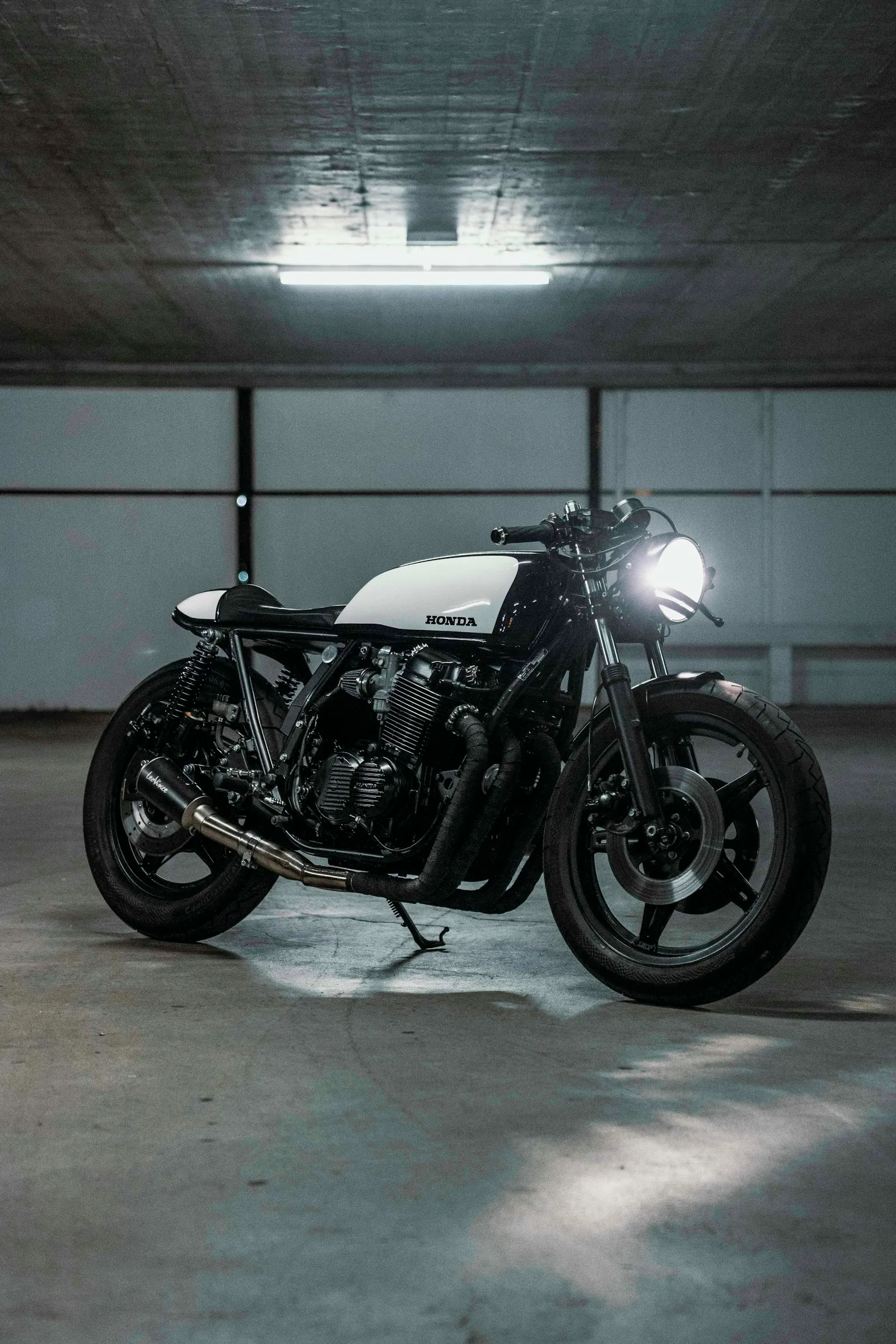
Brat style is named after a shop. Go Takamine opened Brat Style in Tokyo in the late nineties, and the bikes he built there were so consistent in their approach that the West took the shop name and used it as a genre.
That origin matters, because it means brat was never a defined set of rules. It was one builder's taste, copied from photographs.
What actually defines it
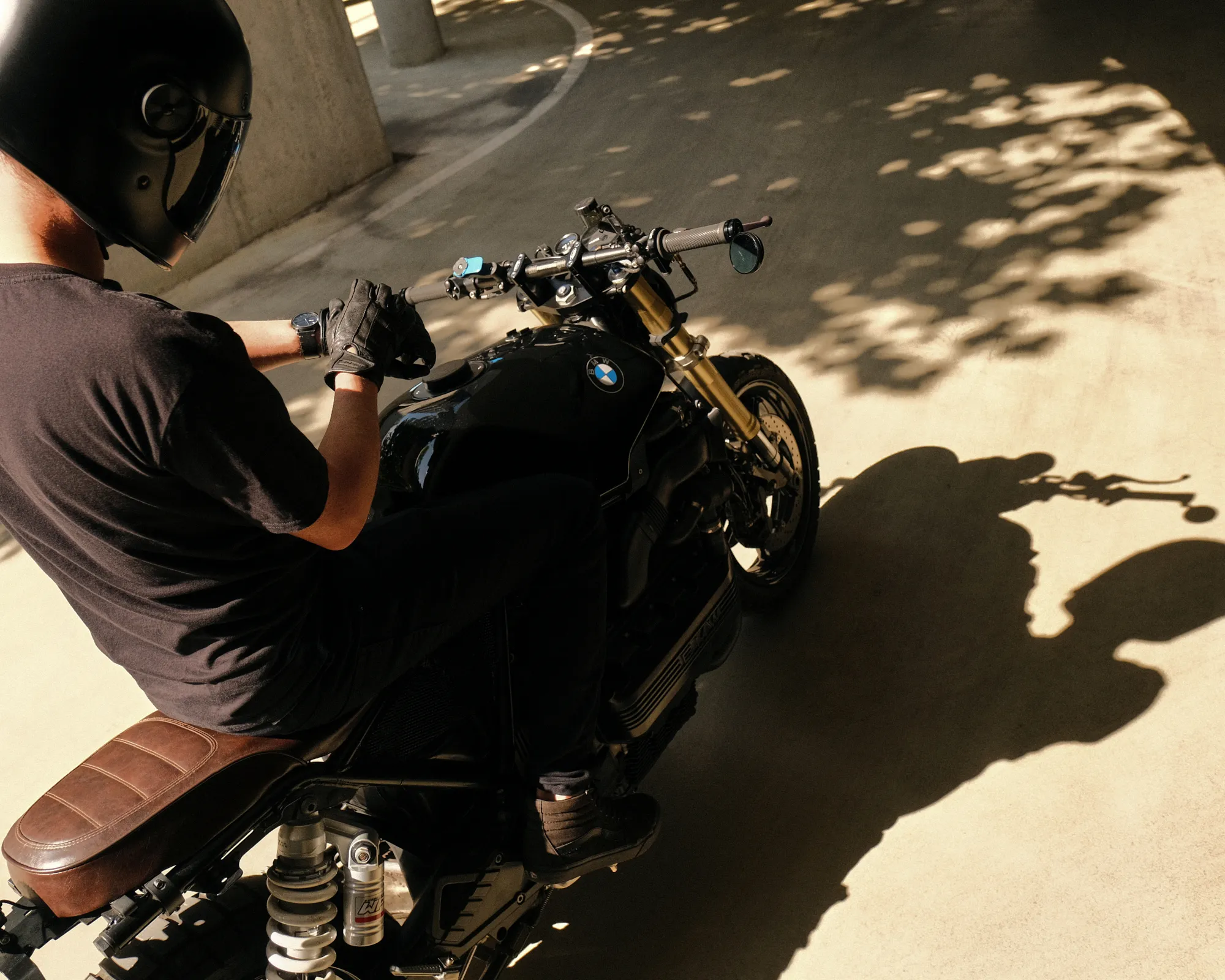
Three things, and only the first is universally agreed. The seat runs flat and straight from the back of the tank to the tail, with no step and no hump. Typically it will take two people, which separates brat from cafe racer immediately.
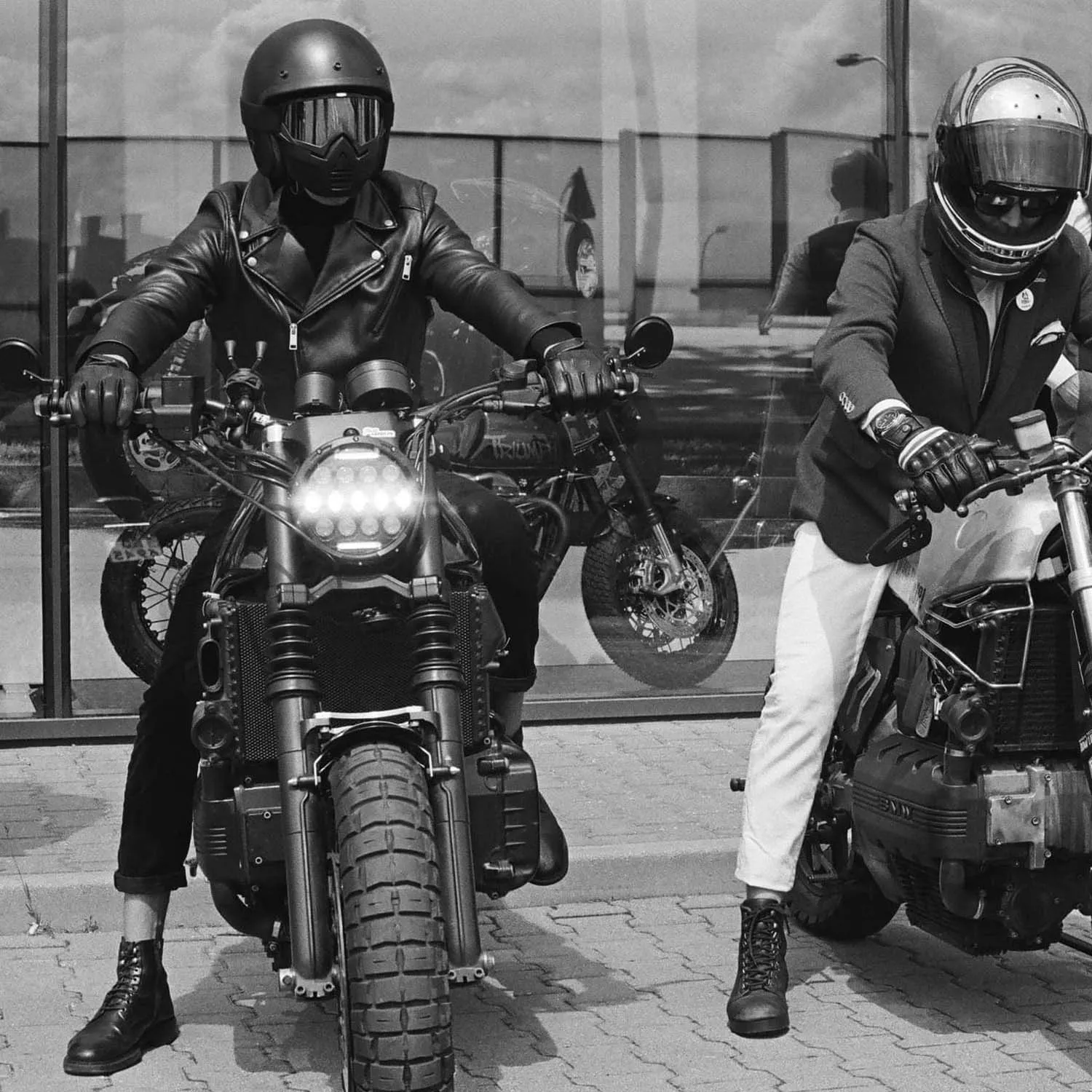
Second, the tyres are chunky and usually block-pattern, filling the arches and giving the bike visual weight low down. Third, and most often missed, the finish is deliberately unresolved. Bare metal, aged paint, patina left where it fell. Very little chrome.
What it is not
It is not a flat seat bolted to an otherwise standard motorcycle. That is a flat seat.
The reason so many bikes get mislabelled is that the seat is the only cheap part of the recipe. Anyone can buy a brat seat pan. Committing to the finish — leaving a tank scuffed when every instinct says repaint it — is the part that takes nerve.
Anyone can buy a brat seat pan. Leaving a scuffed tank scuffed is the part that takes nerve.
Brat, cafe racer or tracker?
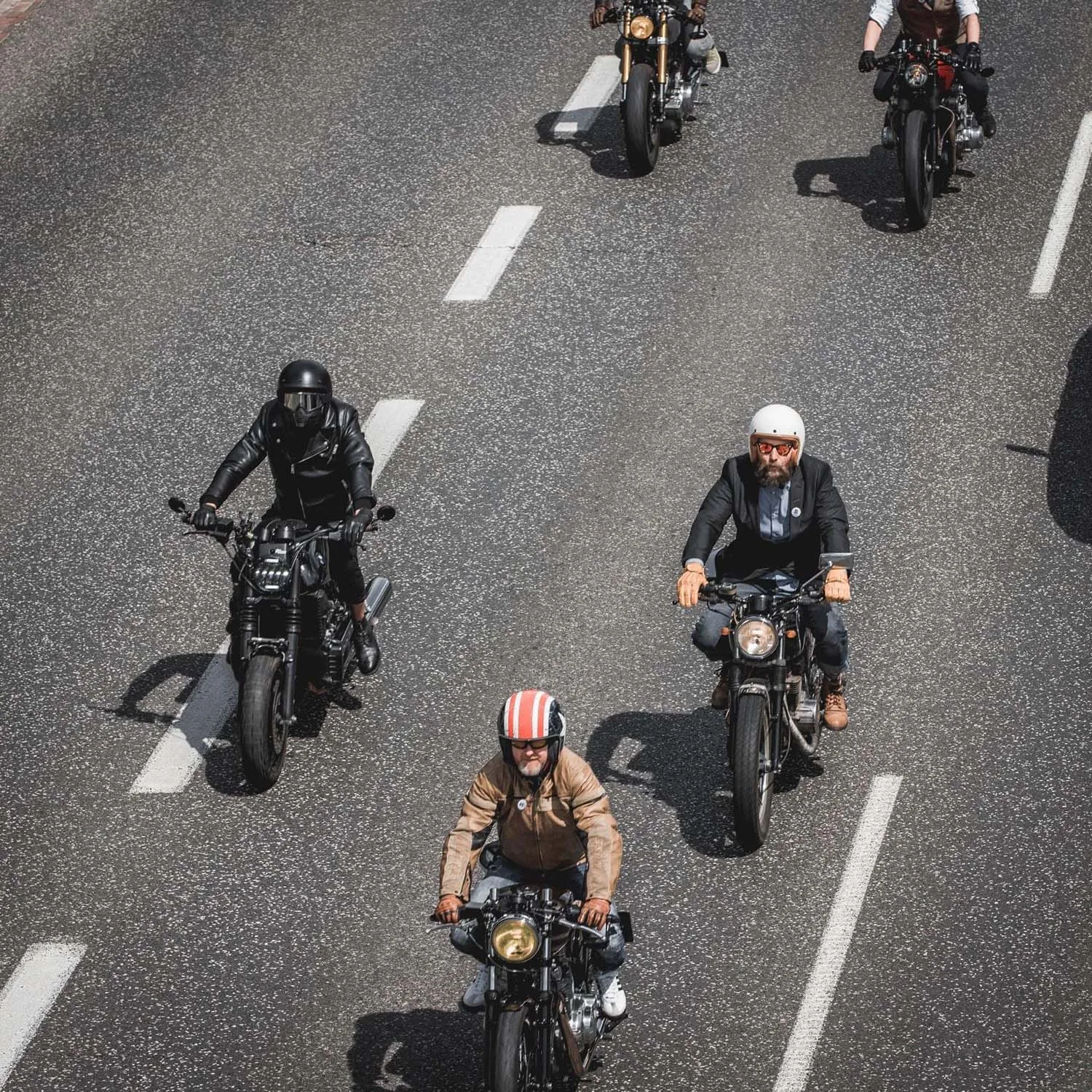
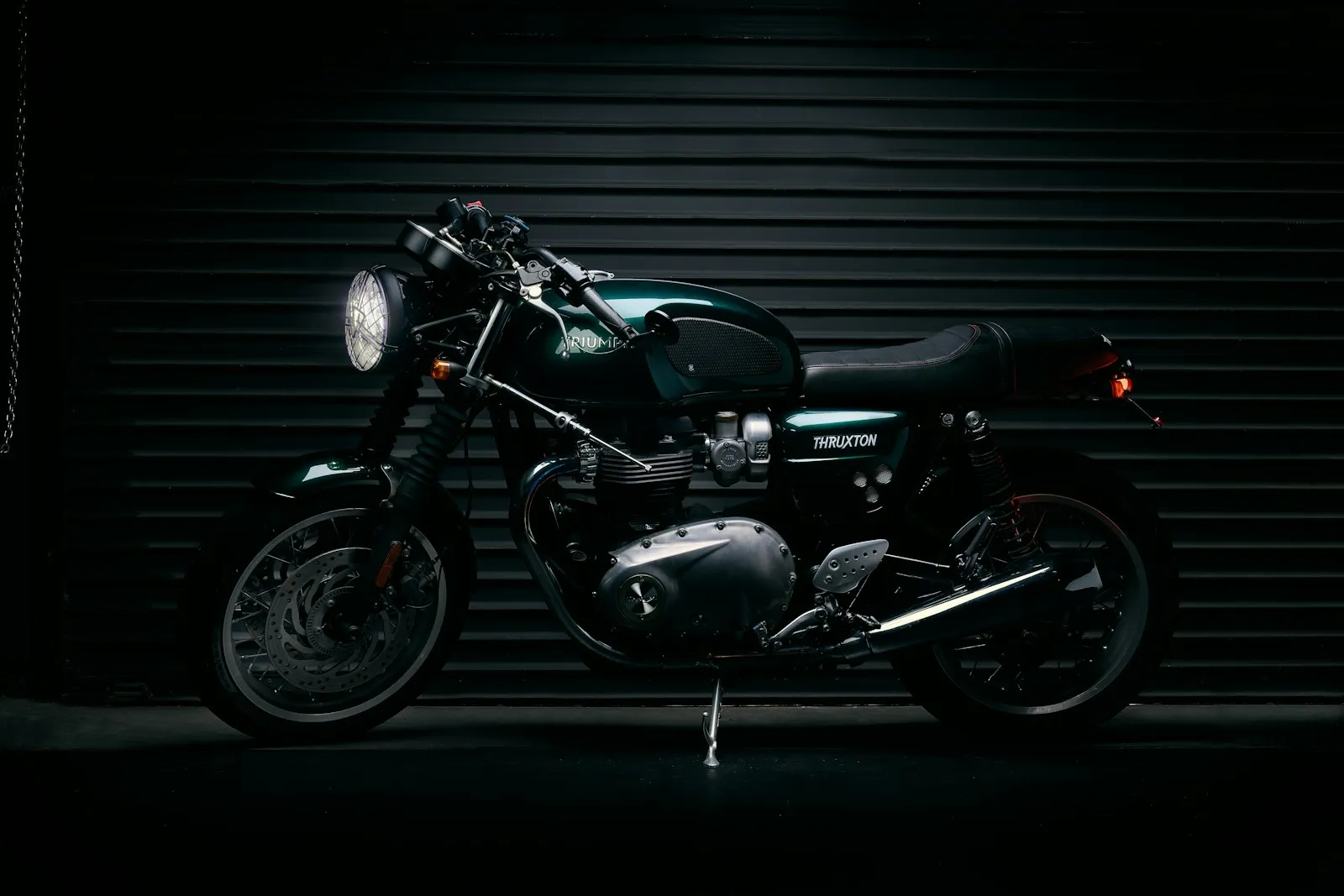
The seat tells you almost everything. Flat and two-up is brat. Humped and solo with clip-ons is cafe racer. Flat but tapering to a pointed tail with number boards is tracker.
The riding position confirms it. A brat runs flat or slightly raised bars and a neutral, upright seating position, because it is a bike built for riding around a city rather than chasing a lap time.
Good donors
Anything with a straight, flat top frame rail. The Yamaha XS650, SR400 and SR500 are close to ideal, the Honda CB series works, and the BMW K-series has become the value pick in Europe because the frame geometry suits it and nobody wanted them for thirty years.
Brat, cafe racer or tracker
| Seat | Brat: flat, straight, often two-up | Brat |
|---|---|---|
| Seat | Cafe racer: humped, solo, tail cowl | Cafe |
| Seat | Tracker: flat, tapered, pointed tail | Tracker |
| Bars | Brat: flat or low-rise, upright position | Brat |
| Bars | Cafe racer: clip-ons or clubmans, weight forward | Cafe |
| Tyres | Brat: chunky block pattern, both ends | Brat |
| Finish | Brat: patina kept, chrome avoided | Brat |
Common questions
What is brat style on a motorcycle?
A build with a flat, straight seat running from tank to tail, chunky block-pattern tyres, minimal bodywork and a deliberately unfinished surface treatment. It takes its name from Brat Style, the Tokyo workshop of Go Takamine.
What is the difference between a brat and a cafe racer?
The seat and the riding position. A brat has a flat, often two-up seat and upright bars. A cafe racer has a humped solo seat, clip-on or clubman bars, and puts your weight on your wrists.
Is a flat seat enough to make a bike brat style?
No. The seat is the easiest part to buy. Brat style is as much about the finish, leaving patina and bare metal alone rather than restoring everything to a shine.
What is the best donor bike for a brat build?
Anything with a straight, flat top frame rail. The Yamaha XS650 and SR400 are close to ideal. In Europe the BMW K-series has become the value option because the frame suits it and prices stayed low for decades.
Where can I see more of this build?
The full photo set for every build is on Instagram at @ironandgasolineofficial, and questions get answered there.
Got a question about this build, or built one yourself? The conversation happens on Instagram — the full photo set for this bike is up there, and I answer everything in the comments.
Join the thread on Instagram